Our work connects application evidence, controlled documentation and practical panel-building constraints. The goal is not to place a familiar name on a schedule; it is to help project teams understand what a breaker must do, which assumptions remain open and which records should follow the device into operation.
“A protection selection becomes useful only when its ratings, assumptions and interfaces can be understood by the next engineer.”
That principle shapes our review approach. We separate published series capability from application-specific suitability, identify where a coordination study is required and preserve an auditable link between the requested device, its accessories and the project context.
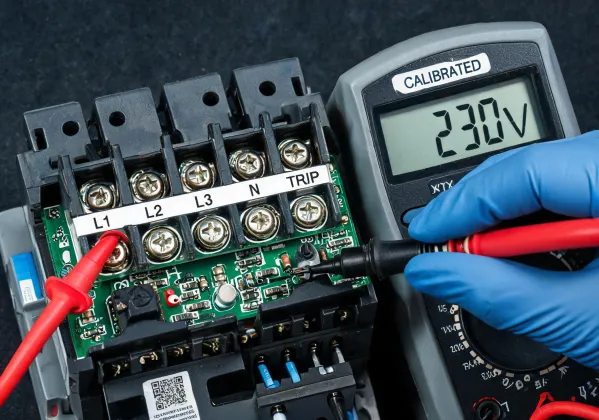
Our capability model follows the evidence path used by electrical professionals. Inspection confirms physical identity and terminal details. Bench review checks trip-unit configuration and control accessories. Document control links the reviewed item to current technical literature. No laboratory scene is presented as a blanket certification claim.


A field guide to reading device ratings alongside the panel’s marked short-circuit current rating.
Questions to resolve before comparing time-current curves for upstream and downstream protection.
A practical register for shunt trips, undervoltage releases, contacts and interlocking interfaces.
Share the one-line diagram, breaker schedule and the questions your approval team needs answered.
Start an Engineering Conversation